A Look at Primitive Art
Primitive art represents some of humanity's earliest creative expressions, spanning cave paintings, tribal sculptures, and ancient carvings. These works offer a window into the minds of our ancestors, revealing their beliefs, daily lives, and connection to the natural world. Far from being simple or unsophisticated, primitive art demonstrates remarkable skill and profound cultural significance that continues to influence contemporary artists and historians alike.
What defines primitive art?
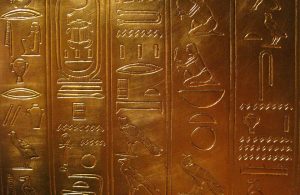
The term "primitive art" traditionally refers to artwork created by cultures without written language or formal artistic training. This includes prehistoric cave paintings, indigenous tribal art, and folk art from non-industrialised societies. Whilst the label "primitive" has been criticised for its colonial connotations, the art itself showcases sophisticated symbolic systems and technical mastery. These works were rarely created purely for aesthetic purposes—they served ceremonial, spiritual, and practical functions within their communities.
Cave paintings: humanity's first gallery
Some of the most famous examples of primitive art are the cave paintings found in locations like Lascaux in France and Altamira in Spain. Created over 17,000 years ago, these paintings depict animals such as bison, horses, and deer with stunning accuracy and movement. Early humans used natural pigments from ochre, charcoal, and minerals to create these images, often in dark, difficult-to-reach cave chambers. Archaeologists believe these paintings held ritual significance, possibly related to hunting magic or spiritual ceremonies.
Tribal sculpture and symbolism
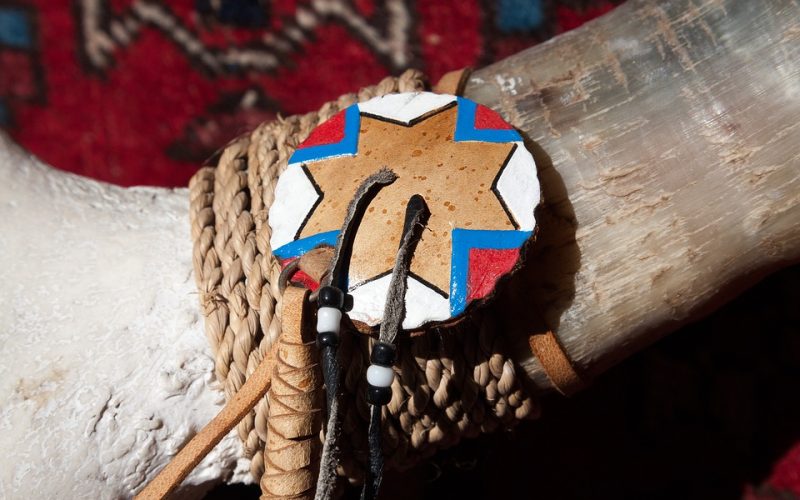
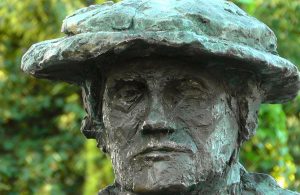
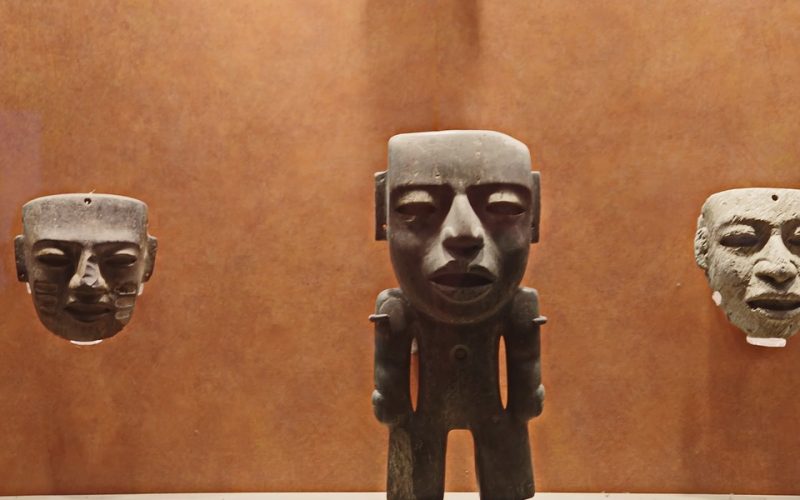
African, Oceanic, and Native American tribal art forms demonstrate the diversity and complexity of primitive artistic traditions. Masks, totems, and figurines were crafted from wood, stone, and clay, each bearing symbolic meanings understood within their cultural context. These objects often represented ancestors, deities, or natural forces, and were integral to ceremonies and social rituals. The bold forms and abstracted features of tribal sculpture would later inspire European modernists like Picasso and Matisse, who saw in them a directness and emotional power absent from academic art.
The influence on modern art
Primitive art has had a profound impact on 20th-century artistic movements. Artists seeking to break from European academic traditions looked to indigenous and prehistoric art for inspiration. The Expressionists, Cubists, and Surrealists all drew from primitive aesthetics, valuing its raw emotional intensity and symbolic depth. This cross-cultural exchange, whilst sometimes problematic in its appropriation, fundamentally reshaped how we understand creativity and artistic value.
Why primitive art still matters
Studying primitive art helps us appreciate the universal human impulse to create and communicate through visual means. These works remind us that artistic expression predates formal civilisation and remains central to human identity. They also challenge Western-centric definitions of "high art" and encourage a more inclusive understanding of cultural heritage. Museums and galleries now approach primitive art with greater respect and contextual awareness, recognising these pieces as sophisticated achievements rather than curiosities.
Primitive art connects us to our shared human past whilst continuing to inspire contemporary creativity. Whether examining ancient cave paintings or tribal masks, we encounter the fundamental questions and expressions that have always defined our species. By preserving and studying these works, we honour the ingenuity and vision of those who came before us.